 The Way
Ephphatha — Be Opened
The day closed ears and a bound tongue were set free
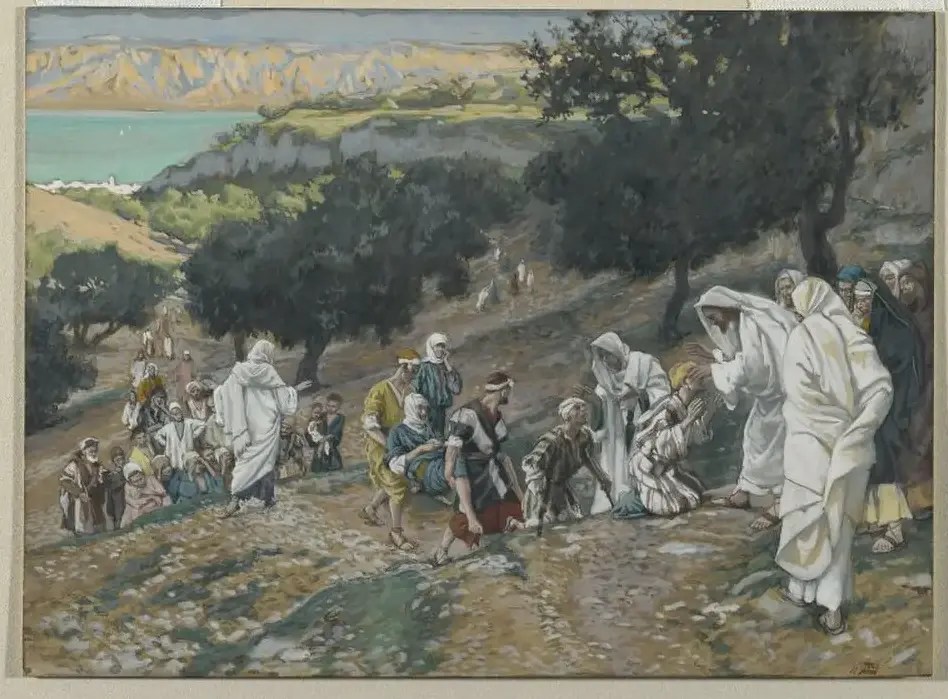
Story
Jesus left Tyre and went by way of Sidon, taking the long way around through the region of the Decapolis, and came to the Sea of Galilee. People brought him a man who was deaf and could hardly speak, and begged him to lay his hand on him. Jesus took him aside, away from the crowd, to a quiet place. The noise of the people faded into the distance.
Jesus put his fingers into the man's ears, then spat and touched his tongue. Then, looking up to heaven, he sighed deeply and said a single word. Ephphatha. Be opened. At that, the blocked ears were opened and the bound tongue was set free. He began to speak clearly. It was a voice that had been locked away for a long time.
Jesus told them to tell no one, but the more he forbade it, the more widely they spread the news. The people were utterly astonished and said, he has done everything well. He even makes the deaf hear and the mute speak. When Jesus went up on a mountain, people brought the lame, the blind, the mute, and many others who were sick, and laid them at his feet. Seeing those who had been healed, the crowd was amazed and gave glory to the God of Israel.
Walk this scene on the map →His Words
Ephphatha. Be opened!
Everything he does is wonderful. He makes the deaf hear and the mute speak.
The sayings are fresh renderings of the original meaning in today's language. Text: Mt 15:29–31 · Mk 7:31–37
Background
Ephphatha is Aramaic, the everyday language of Judea in Jesus' time, and Mark often preserves such Aramaic expressions as they were spoken. The Decapolis was a region of ten Greek-style cities scattered east and south of the Sea of Galilee.
Pause and Reflect
What grace has the Lord shown in my life that I have forgotten?