 The Way
On the Roof
The king who did not go to war
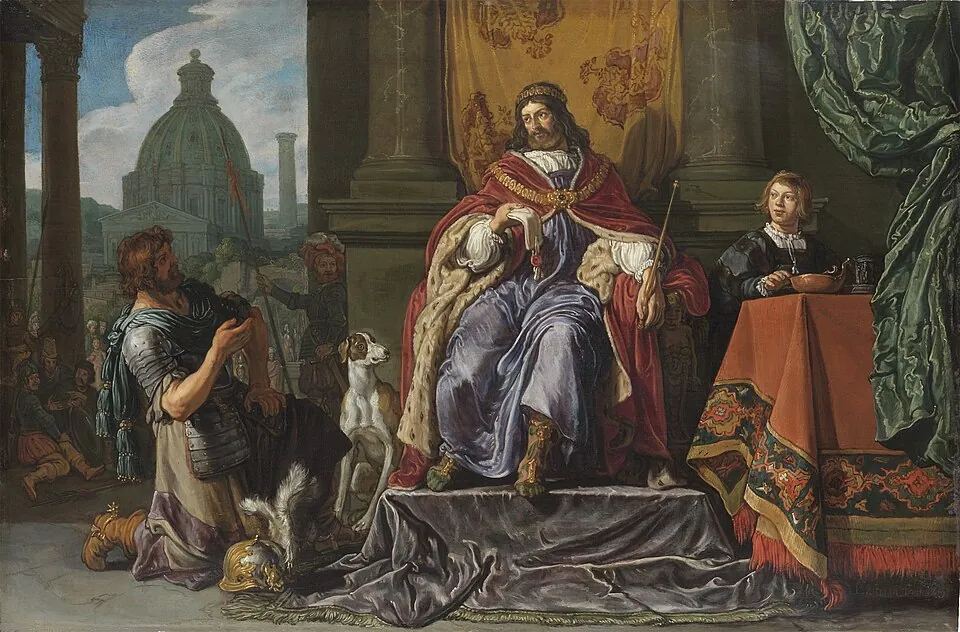
Story
Spring came, the time when kings go out to battle. David sent Joab and the whole army of Israel to besiege Rabbah of the Ammonites. But the king himself stayed in Jerusalem. One evening, getting up from his afternoon rest, David was walking on the palace roof when he saw a woman. He sent someone to find out who she was: Bathsheba, daughter of Eliam, the wife of Uriah the Hittite. David had her brought to him, and he sinned with another man's wife.
Some time later Bathsheba sent word to the king: “I am pregnant.” David called Uriah back from the battlefield. He asked how the war was going, then told him to go home and rest. But Uriah slept at the palace door with the servants. When the king asked him why, Uriah answered, “The ark and Israel and Judah are staying in tents, and my master Joab is camped in the open field. How could I go home?” Even when the king got him drunk, he would not go home.
In the morning David wrote a letter to Joab and sent it in Uriah's own hand. The letter said: “Put Uriah where the fighting is fiercest, then pull back from him so that he is struck down and dies.” Joab did so, and Uriah died. To the messenger who brought the news the king said, “Tell Joab not to let this trouble him. The sword devours one as well as another.” When the mourning was over, David took Bathsheba as his wife. But what David had done was evil in the eyes of the Lord.
Walk this scene on the map →Words of God and David
Put Uriah in the front line where the fighting is fiercest, then pull back from him so that he is struck down and dies.
The ark and Israel and Judah are staying in tents, and my master and his soldiers are camped in the open field. How could I go home to eat and drink?
Don't let this trouble you. The sword devours one as well as another.
But what David had done was evil in the eyes of the Lord.
The sayings are fresh renderings of the original meaning in today's language. Text: 2 Sam 11:1–27
Background
Uriah was a Hittite, yet his name is listed among David's thirty-seven greatest warriors. Rabbah was the royal city of Ammon, on the site of Amman, today's capital of Jordan.
Pause and Reflect
Am I letting small greed go unchecked until it leads to greater sin?