 The Way
The Fall of Samaria
The last day of a nation that would not listen
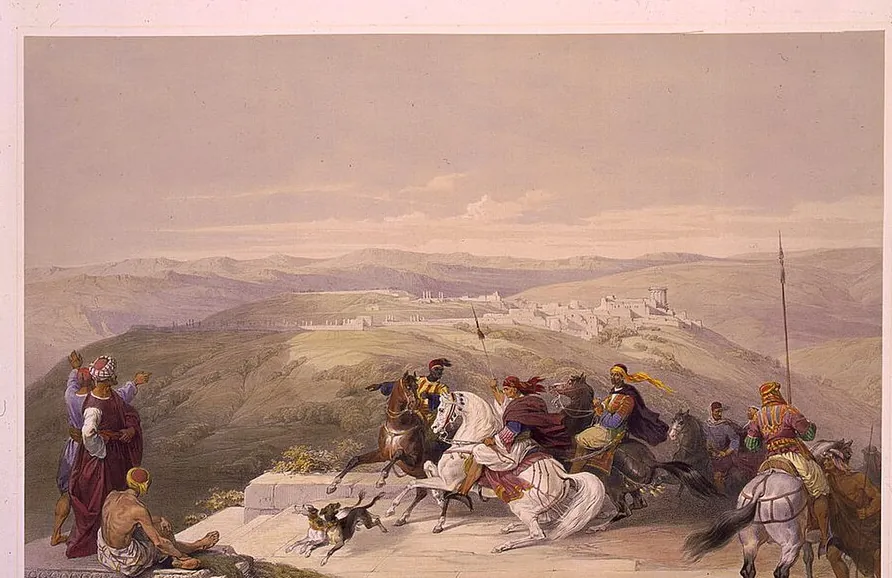
Story
For the third year running, the watchman on the wall of Samaria looked down on the same sight. The Assyrian army had the city surrounded. Hoshea son of Elah, the last king of northern Israel, had stopped paying the yearly tribute to Assyria and secretly asked the king of Egypt for help, but he was found out and thrown into prison. Even after the king was taken away, the city held out for three years.
In the ninth year of Hoshea's reign, Samaria finally fell. The king of Assyria took the people of Israel captive and carried them off to a faraway land. They were taken to Halah, to the banks of the Habor River in the region of Gozan, and to the towns of the Medes. Of the two kingdoms that had split apart after Solomon's death, Israel in the north came to its end in this way.
All that time the Lord had sent prophets again and again to say, “Turn from your evil ways and keep my commands.” But the people were stubborn and would not listen. They served the golden calves Jeroboam had made, and Baal, and they even burned their own children in the fire as offerings to idols. In the end the Lord drove Israel out of the land, and only the tribe of Judah was left.
Walk this scene on the map →Words of God and the Prophets
Turn from your evil ways. Keep my commands and decrees, according to the whole law I commanded your ancestors and sent to you through my servants the prophets.
Do not serve other gods.
The sayings are fresh renderings of the original meaning in today's language. Text: 2 Kgs 17:1–23
Background
Samaria fell around 722 BC. Kings records that Shalmaneser besieged the city and says only that “the king of Assyria” captured it, but Assyrian records say that Sargon II, who followed Shalmaneser V, took the city and carried off more than twenty-seven thousand people.
Pause and Reflect
What word from God have I heard again and again but still not followed?