 The Way
The Rain Will Stop
One sentence that shut the sky
Story
A princess of Sidon came into the palace on the hill of Samaria. Ahab king of northern Israel had married Jezebel, daughter of Ethbaal king of Sidon. Ahab built a temple for Baal in Samaria and set up an altar in it. He also made an Asherah pole. Ahab angered the Lord more than any king before him.
Baal was worshiped as the god who held the rain and the storm. People believed that only by praying to Baal would the sky open and grain grow in the fields. One by one, the people of Israel knelt before Baal's altars too. The voices calling on the name of the Lord grew fainter and fainter.
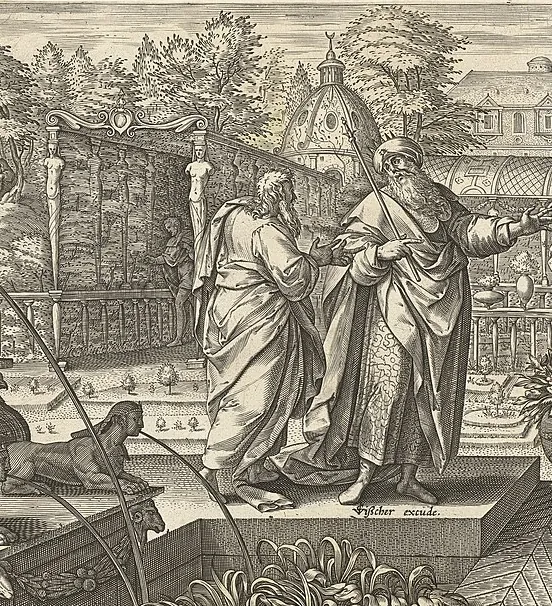
Then Elijah the Tishbite, from Gilead, stood before the king. Elijah said to Ahab, “As surely as the Lord, the God of Israel, lives, whom I serve, there will be neither dew nor rain in the next few years unless I say so.” Now it was the sky's turn to answer who gives the rain. A psalmist sang it this way: you water the mountains from your high places, and the earth is filled with the fruit of your work.
Walk this scene on the map →Words of God and the Prophets
As surely as the Lord, the God of Israel, lives, whom I serve, there will be neither dew nor rain in the next few years unless I say so.
It is not I who have troubled Israel, but you and your father's house, because you abandoned the Lord's commands and followed the Baals.
The sayings are fresh renderings of the original meaning in today's language. Text: 1 Kgs 16:29–17:1
Background
In Canaan and Phoenicia, Baal was worshiped as the god of rain and storm. Elijah's announcement that the rain would stop asked head-on who really gives the rain, Baal or the Lord. Samaria was the new capital of northern Israel, built by Ahab's father Omri.
Pause and Reflect
What do I believe will keep me safe?